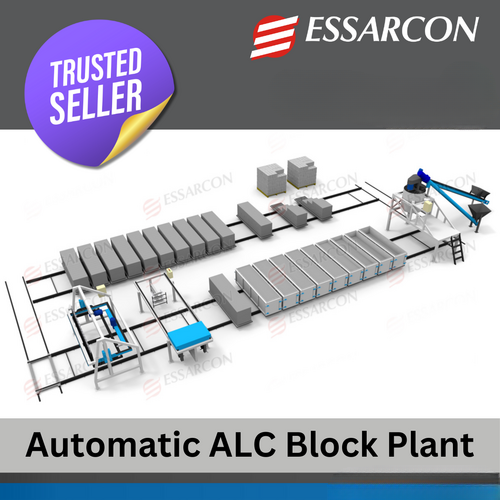
ALC / Non Autoclaved Aerated Concrete Block Plant About
Modular plant system
increases, other accessories can be added to increase the productivity
These up-gradations can be done any time in future
Hybrid system to produce AAC and ALC
Same equipment can produce AAC blocks by adding an autoclave and a boiler. This enables the production of
AAC blocks as well ALC blocks simultaneously
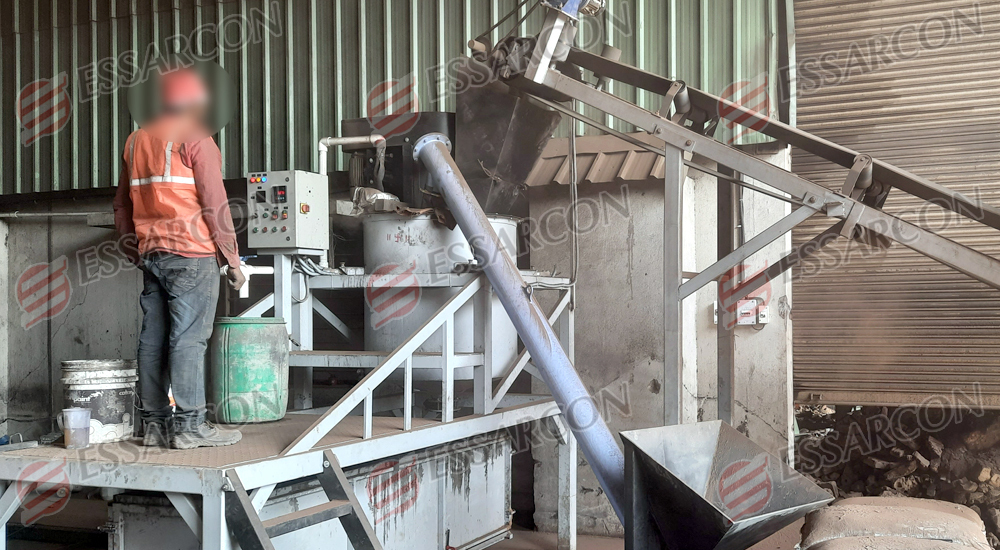
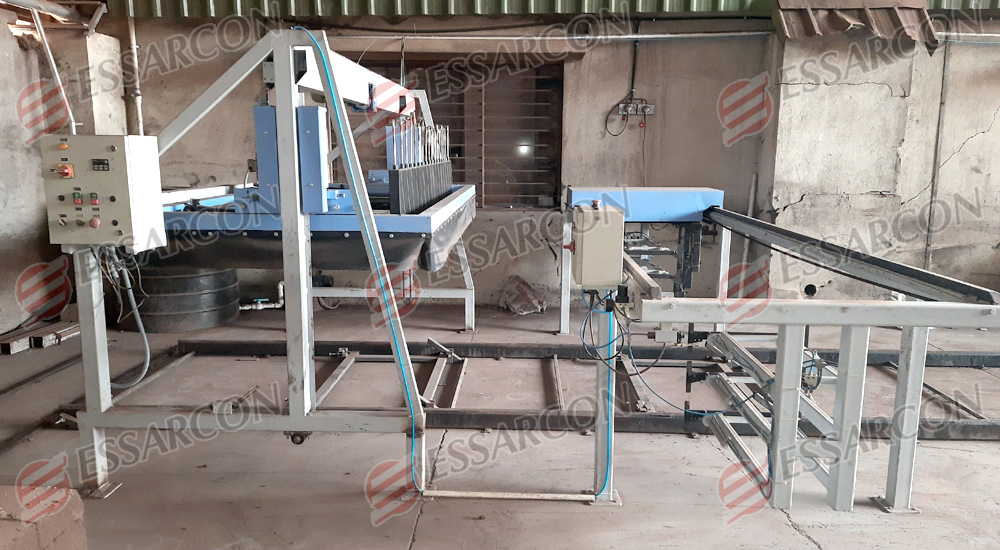
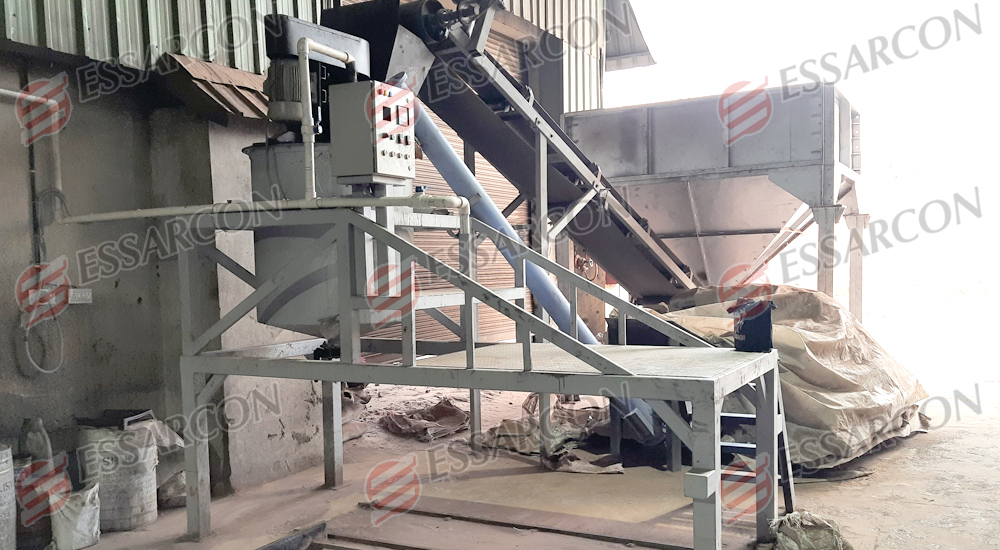
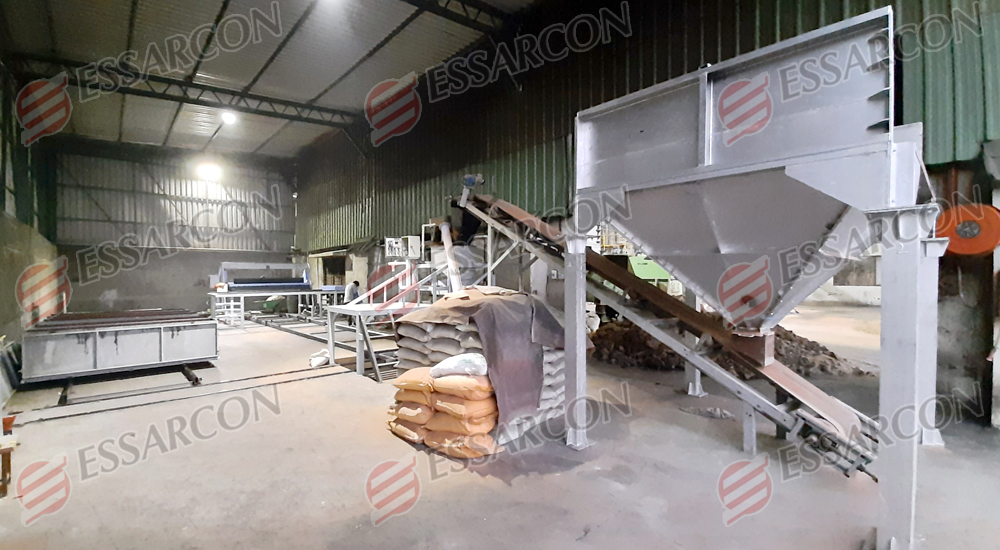
High-Efficiency AAC ProductionOur ALC Block Plant utilizes automated technology to boost output and minimize labor. Each system is tailored for aerated block manufacturing, ensuring uniformity and strength in every batch. Suitable for both small and large-scale operations, it supports reliable high-quality production.
Versatile Capacity and Easy OperationWith flexible capacity options from 8.6 to 80 cubic meters per day, this plant adapts to different project scales. Automatic controls simplify operation and reduce human error, making it practical for factories aiming to optimize output with less technical complexity.
FAQ's of ALC / Non Autoclaved Aerated Concrete Block Plant:
Q: How does the Non-Autoclaved Aerated Concrete (AAC) Block Plant operate?
A: The AAC block plant operates automatically, guiding raw materials through precise mixing, molding, and curing processes. Its advanced system ensures consistent production of quality aerated concrete blocks with minimal manual intervention.
Q: What are the main benefits of using an automatic AAC block machine?
A: Using an automatic AAC block machine increases productivity, improves block consistency, minimizes labor costs, and enhances overall efficiency. The automatic process also reduces the likelihood of human error, resulting in smoother and faster block production.
Q: When should I consider choosing this plant capacity for my business?
A: Consider this plant if your block production needs range between 8.6 and 80 cubic meters per day. Its adaptable daily output suits both growing businesses and established manufacturers looking to scale up operations.
Q: Where is this AAC block plant typically installed and used?
A: This plant is designed for installation in industrial sites and manufacturing hubs across India, serving the needs of suppliers, distributors, and traders focused on aerated block production for local and regional building projects.
Q: What is the general process involved in making AAC/ALC blocks with this plant?
A: The plant automates the process, which involves blending raw materials (cement, sand, fly ash, chemicals, and water), casting the mixture into molds, allowing it to expand and set, then demolding to produce lightweight, aerated blocks.
Q: How can using aerated concrete blocks benefit construction projects?
A: Aerated concrete blocks are lightweight, durable, provide excellent insulation, and help speed up construction. They are also eco-friendly and reduce structural load, making them ideal for modern building requirements.





 Send Inquiry

 Send Inquiry
 Send Inquiry
 Send SMS


